
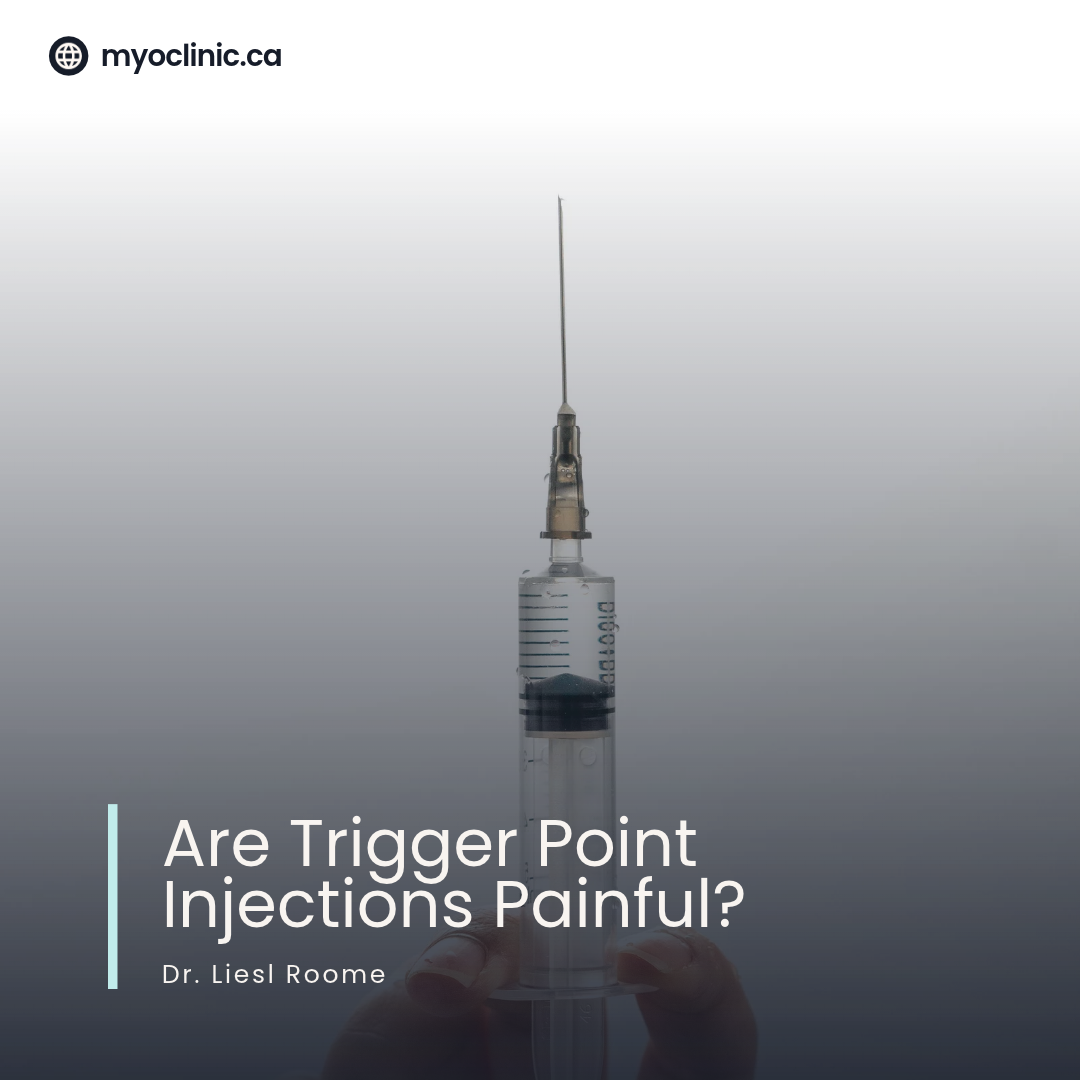
Trigger point injections can be uncomfortable, but the experience varies considerably. Most people feel the initial needle and may then notice pressure, aching, a brief sharp sensation or a muscle twitch as the targeted tissue is treated. The procedure should be explained to you, and you should be able to tell the clinician what you are feeling.
Being anxious about needles does not mean that you cannot discuss treatment. Knowing what will happen and having a plan for communication can make the appointment feel more manageable.
What Does the Needle Feel Like?
The first sensation is usually the needle passing through the skin. When the needle reaches a sensitive muscle area, it may reproduce a familiar ache or cause a brief local twitch. Reproducing recognizable pain can provide information, but treatment should remain targeted and purposeful.
The number and location of injections affect the experience. A small superficial muscle does not feel the same as a deeper or highly guarded area. Your current sensitivity level, sleep, stress and previous experiences with needles can also influence how strongly you perceive the procedure.
Why Are Trigger Points Sensitive?
A trigger point is an irritable area within muscle tissue. Pressure on it can cause local pain or pain felt somewhere else. Because the clinician is deliberately treating a sensitive area, some discomfort is possible even with careful technique.
This does not mean that severe pain must be endured for treatment to be effective. “No pain, no gain” is not an appropriate rule for a medical procedure. Tell the clinician if the sensation feels excessive, unusual or different from the expected muscle ache.
Can Local Anaesthetic Make the Procedure Painless?
Local anaesthetic may be part of a trigger point injection, but it does not guarantee that you will feel nothing. You can still notice the needle, pressure or the response of the muscle. The type of solution and technique vary, so ask your clinician what is planned rather than assuming every clinic performs the same procedure.
What If You Are Afraid of Needles?
Tell the clinic before treatment. You can ask to lie down, request a step-by-step explanation or choose not to watch. Slow breathing and relaxing the surrounding muscles can be helpful. If you have previously fainted during injections or blood tests, make that clear before the procedure begins.
You remain part of the decision. Ask why the injection is being recommended, what alternatives are available and what would cause the clinician to stop.
Will It Hurt Afterwards?
Temporary soreness, aching and bruising can occur. The area may feel as though it has had a demanding workout. This commonly settles, but the exact timeframe varies.
Use the aftercare instructions given to you. Avoid heavy exercise and aggressive self-treatment immediately afterwards. Gentle, comfortable movement is generally different from repeatedly testing or loading the treated muscle.
What Pain Is Not Expected?
Contact a healthcare professional if pain becomes severe or continues to worsen, or if you develop increasing warmth, redness, swelling, drainage, fever, new significant weakness or numbness, breathing difficulty or symptoms of an allergic reaction. Your clinic may provide additional warning signs based on the treatment location and your medical history.
Why Assessment Comes Before the Injection
At the myoClinic, I do not assume that the place that hurts is automatically the place that needs treatment. I first assess movement to look for restriction and compensation. This helps reduce random treatment of every tender spot and provides a reason for selecting a particular muscle.
If one muscle is not moving or contributing effectively, another can work harder to compensate. The overloaded muscle may become painful, even though it is not the beginning of the pattern.
Preparing for a More Informed Appointment
Before treatment, be ready to describe where you feel pain, what movements reproduce it, how long it has been present and whether you have neurological symptoms or other health challenges. Think about what past trauma’s or injuries your body has been through in the past. Provide an accurate medication and allergy list, including blood-thinning medication or imunesuppressants. Follow the clinic's instructions about aftercare..
The Bottom Line
Trigger point injections are not necessarily painless, but discomfort is usually brief and should be monitored throughout the procedure. You should understand why a muscle is being treated and what sensations are expected. Speak up if anything feels severe or unusual.
Patients require a referral to attend the myoClinic in Brentwood Bay. A referring clinician can help determine whether your symptoms require myofascial assessment or another form of investigation.